Public art and community projects
I am an artist based in North Devon. Alongside my painting, I trained specifically in public art at Chelsea College of Art and Design, and I have spent most of my working life making things with other people rather than only for them: in schools, in a prison, and across four years running my own community arts studio.
What interests me about public art is that it has to earn its place. It sits outdoors in all weather, in front of people who did not choose it, for decades. That is a harder and more interesting problem than a painting on a wall.
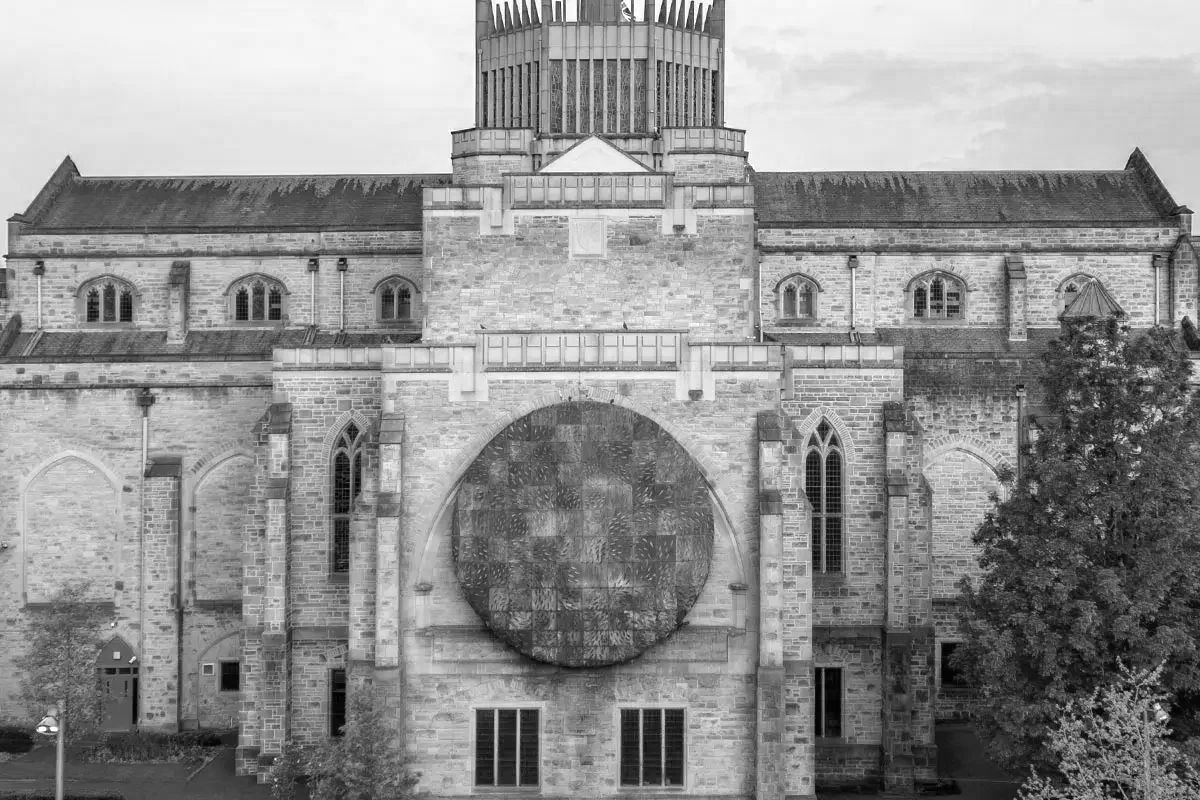
The Healing of the Nations — Blackburn Cathedral
I was selected while at college to work with the artist Mark Jalland on this permanent Millennium commission. I worked on the community side of the project, helping run the engagement programme and displaying children’s artwork made in response to the commission, and I attended fabrication meetings as the piece was developed.
The sculpture is eight metres across and weighs seven tonnes: a circle of steel and copper carrying thousands of interwoven fibre optics that shift colour across the cathedral after dark. At the time it was unveiled it was the largest sculpture built within a British cathedral in fifty years.
It is still there, and in 2023 it was restored by the Friends of Blackburn Cathedral. Working on it as a student and then watching it weather, work and eventually be brought back is the reason I went on to study public art rather than painting alone. It taught me early that the interesting questions in this field are about what happens in year fifteen, not on opening day.
Sound wave maze — Shepherd's Bush Green, London, 2002
A temporary site-specific work made for the Green itself. I recorded sound at its centre, converted the recording into visual waveforms, and cut large freestanding forms that carried the waveform along their top edge. Arranged across the grass, they made a maze people walked through. It stood for a single day.
It was a student piece and it was made of cardboard, but the thought behind it has stayed with me ever since: that a place has a sound of its own, and that sound can be turned into a form you walk around rather than something you stop and listen to.
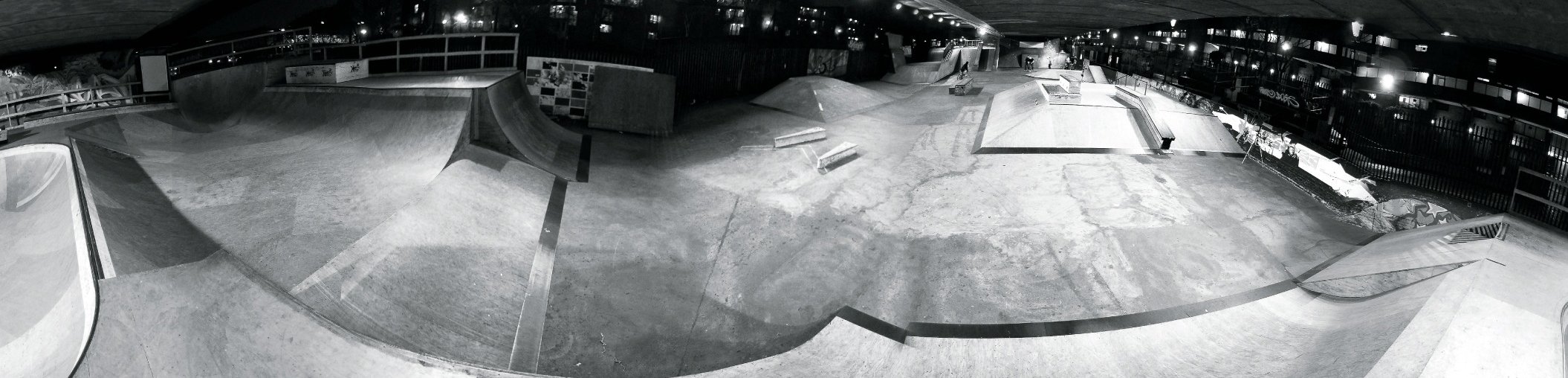
Found poem and performance — Westway, London, 2003
I collected graffiti from under the Westway and assembled it into a poem, then made a Victorian-inspired dress from second-hand fabrics bought at Ladbroke Grove market and performed the poem in it at sites along the Westway, including the skate park and the market. Made in response to the charity Westway Project’s call to use public art to regenerate urban areas.
The method matters more to me than the object did. The work was made entirely out of what the place already had in it, which is still how I prefer to begin.
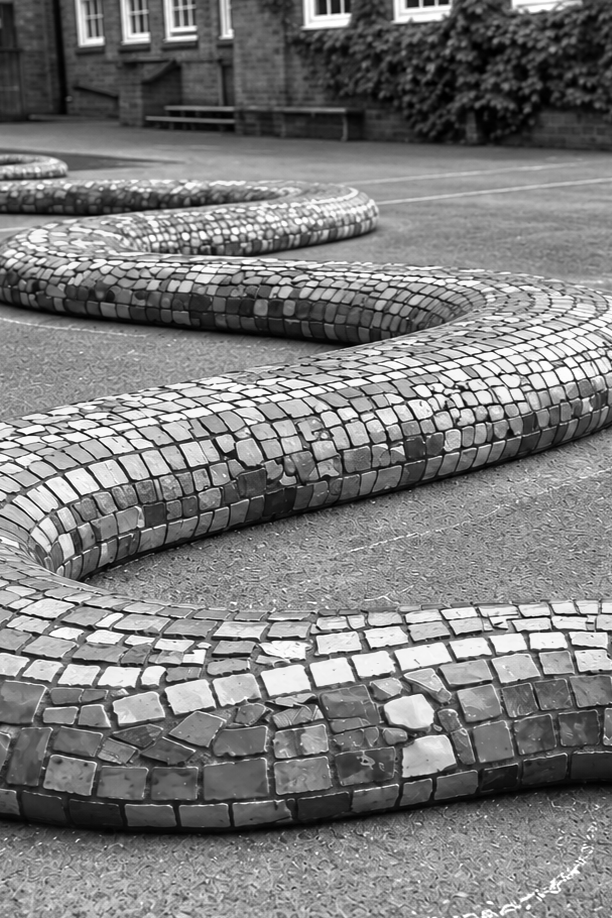
Community mosaic — primary school, White City, 2001
A large mosaic serpent, designed and made with the pupils and installed as a permanent exterior work in the school grounds. Mosaic was chosen because it survives weather and hard use in a playground, and because it is a medium children can genuinely make rather than watch an adult make. Every child set their own tesserae.
Participatory project with young people in custody — White City, 2001
An interactive art project with young offenders. The participants had not chosen to be there and had no particular reason to trust a visiting artist, which made it the most useful training I have had in building a room where people are willing to try something.
Photographic commission — Pimlico, London, 2012
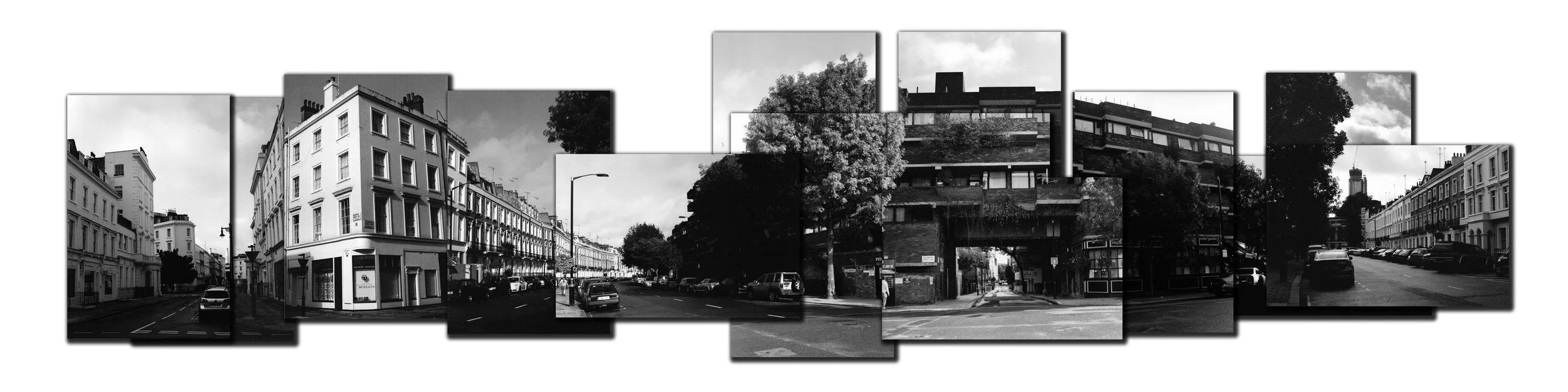
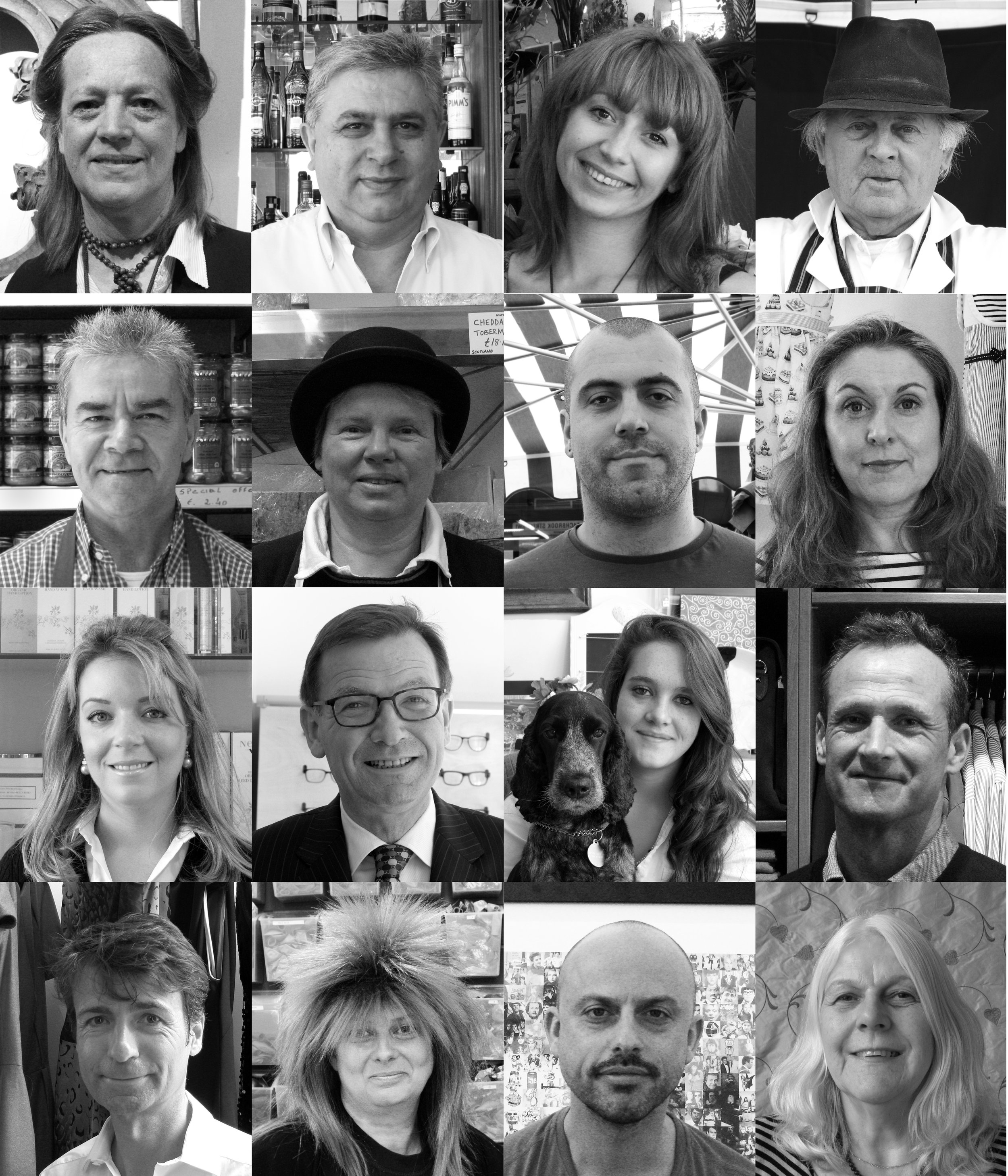
Two works commissioned for the reception of an estate agency, both about the area around it. The first was a large photomontage of Lillington Gardens, the Darbourne and Darke estate built between 1964 and 1972, Grade II* listed and widely regarded as one of the most significant postwar housing schemes in Britain. The second was a grid of portraits of long-established local businesses and the people who ran them.
It was interior work rather than public art, but the approach was the same as everything else here. The portraits in particular meant knocking on doors and persuading people who had no particular reason to say yes.
Local Hero’s
Portraits of local business owners.
The Little Arts Workshop — Bishop's Stortford, 2015 to 2019
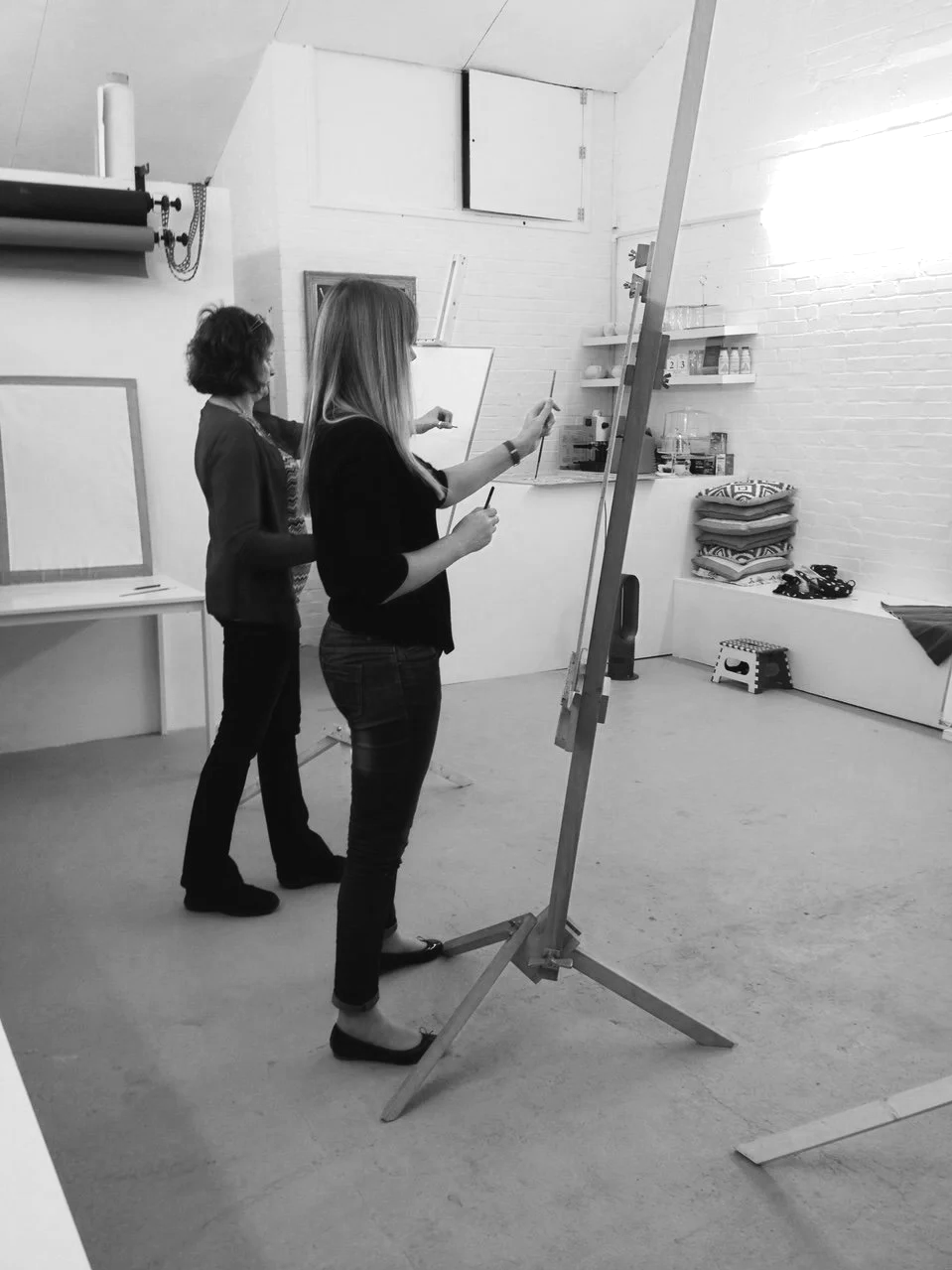
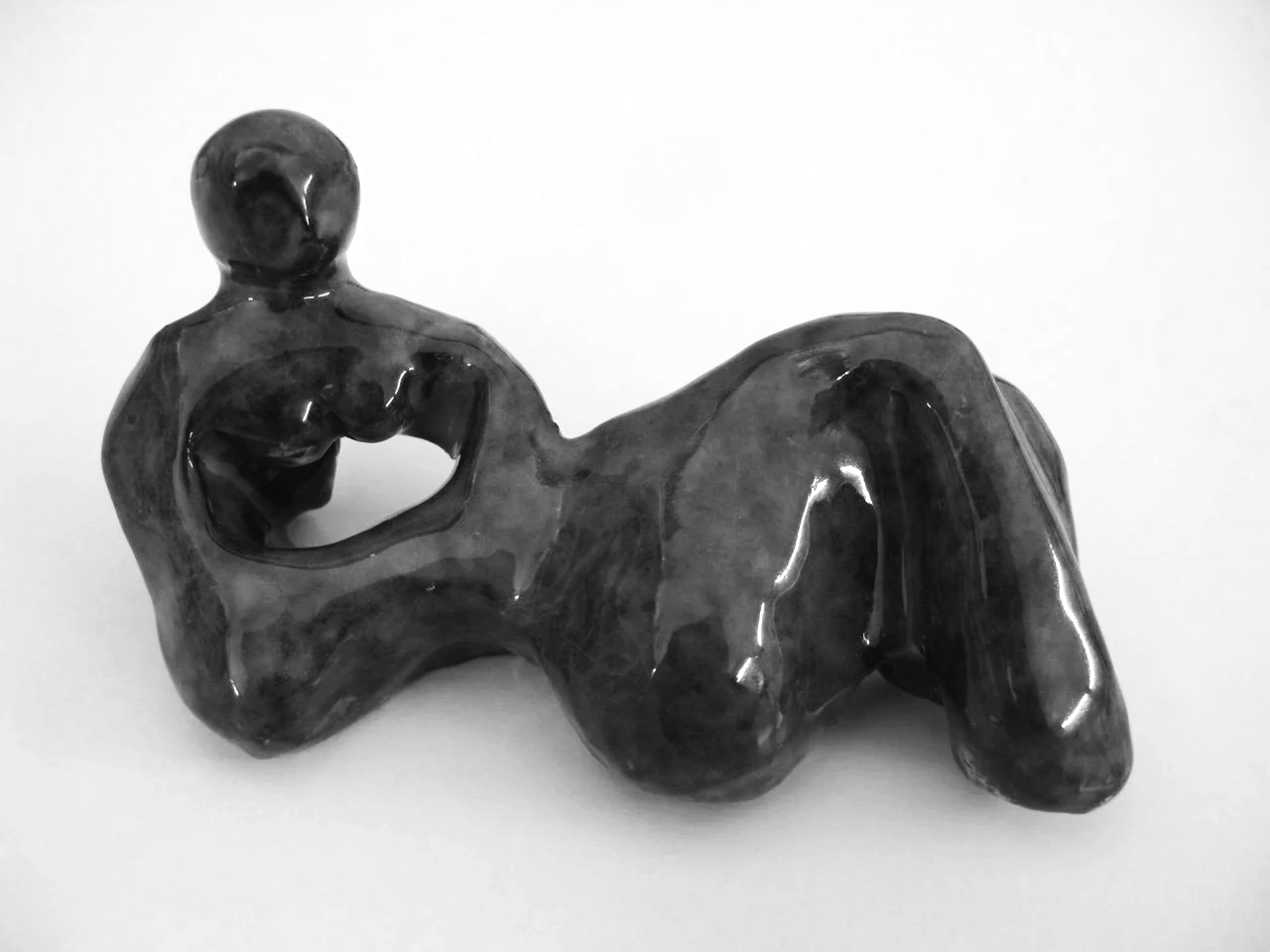
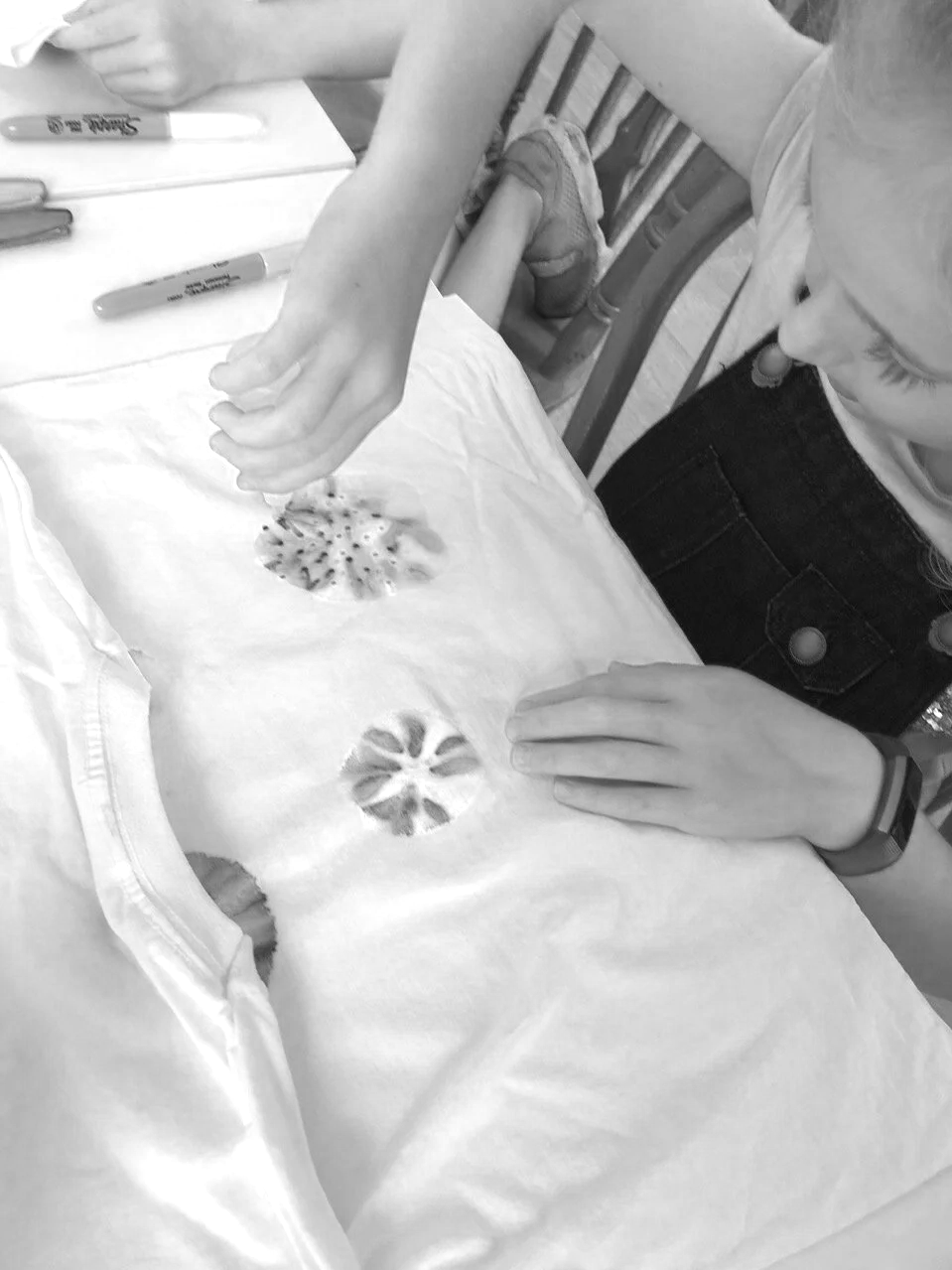
I founded and ran a community arts studio offering weekly classes for children and adults: pottery hand-building, ceramic painting, watercolour, drawing and mixed media. I designed the programme, taught most of it, and handled the premises, the budgets and the safeguarding.
Over four years it became a fixture for a lot of local families. Some children came every week for years. I sold the business as a going concern in 2019 and it still trades today.
Running it taught me the practical side of participation that is easy to underestimate from the outside: how long things actually take with twenty people in a room, how to design a session so that someone with no confidence produces something they are pleased with, and how to keep a group coming back.
Specialist art teacher — two primary schools, Hertfordshire, 2017–2018
Alongside running the Workshop, I taught art across two primary schools as their specialist, planning and delivering the art curriculum to multiple year groups. Working to a school timetable, with safeguarding and a syllabus to meet, is a different discipline from running your own studio, and a useful one for any project where the engagement runs through schools.
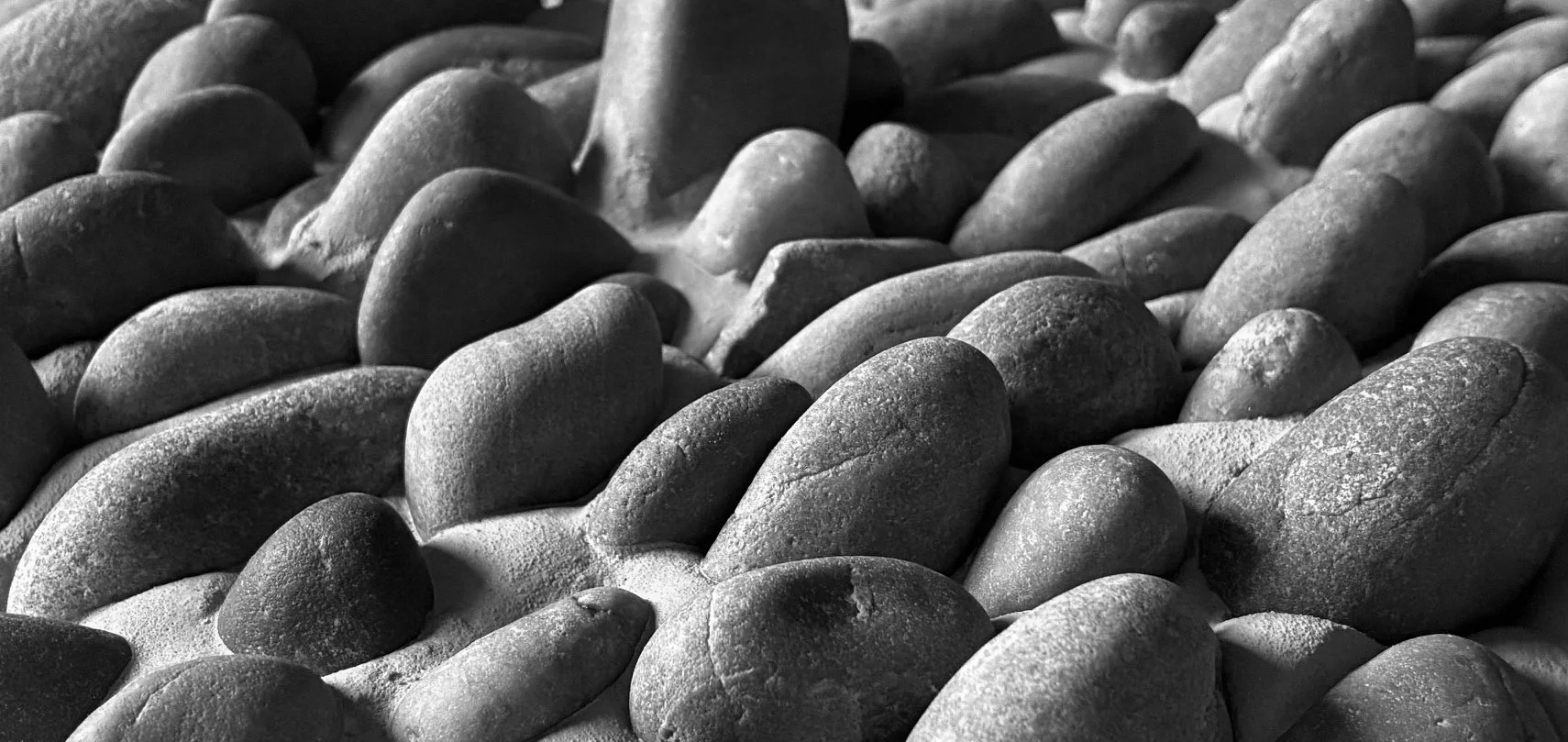
Current material research — pebble set on edge
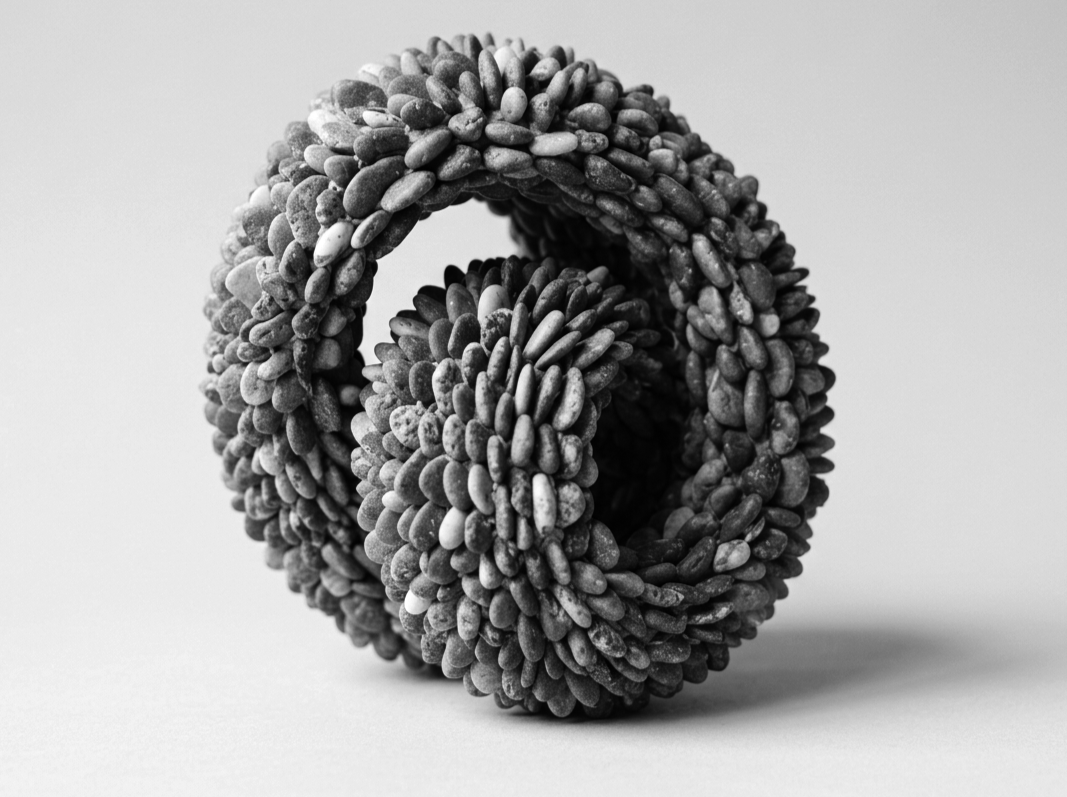
I am currently testing pebble mosaic laid on edge rather than flat, where each stone shows its narrow end. Worked this way the surface becomes dense and tactile, and it changes completely as the light rakes across it. It is also one of the few decorative surfaces that genuinely stands up to salt, weather and constant handling, which is why it has been used on paths and courtyards for centuries.
The technique interests me for coastal work in North Devon, and because it is one of the rare methods where a few hundred untrained hands can each set part of a piece properly. The work ends up genuinely made by the people it belongs to.
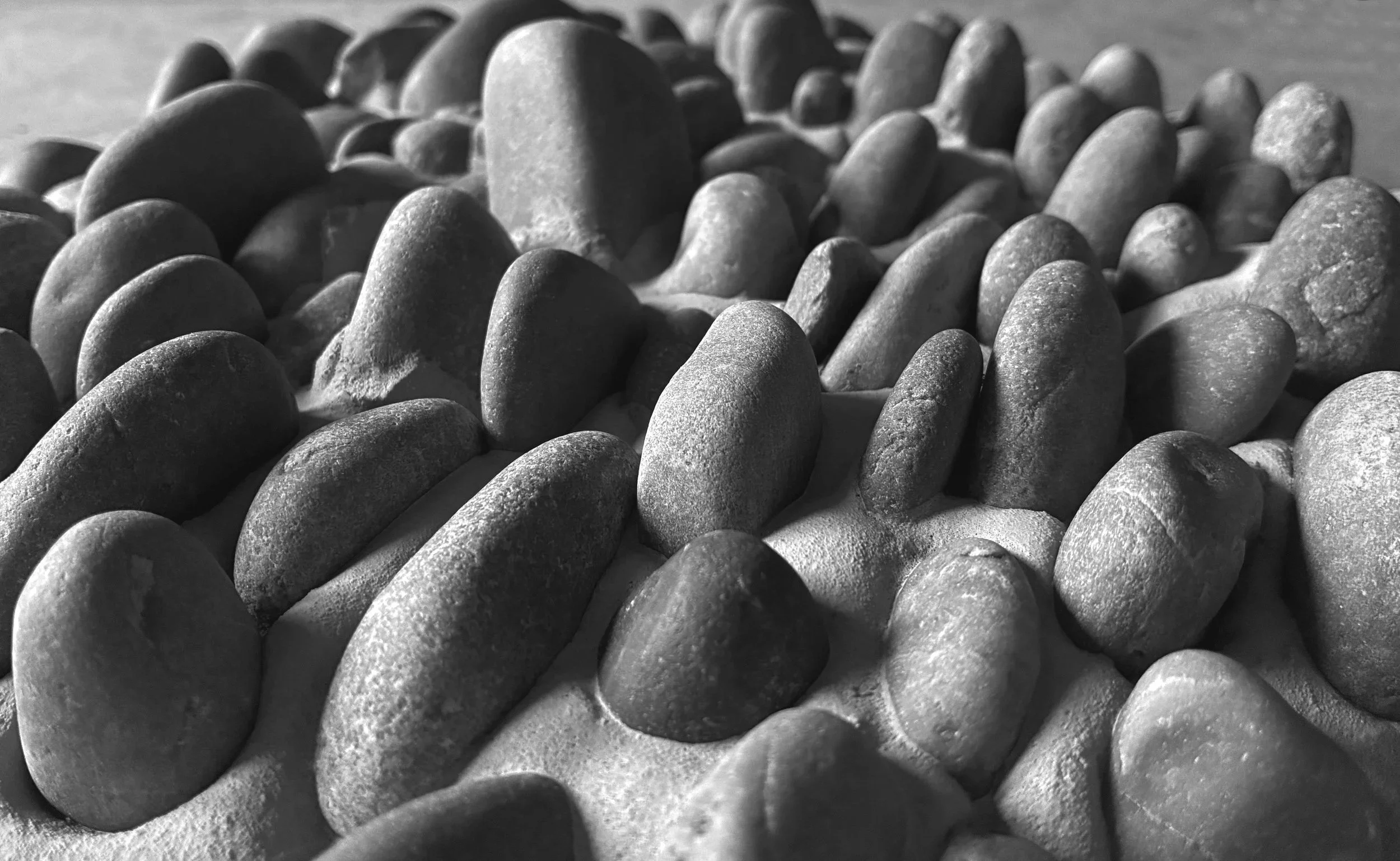
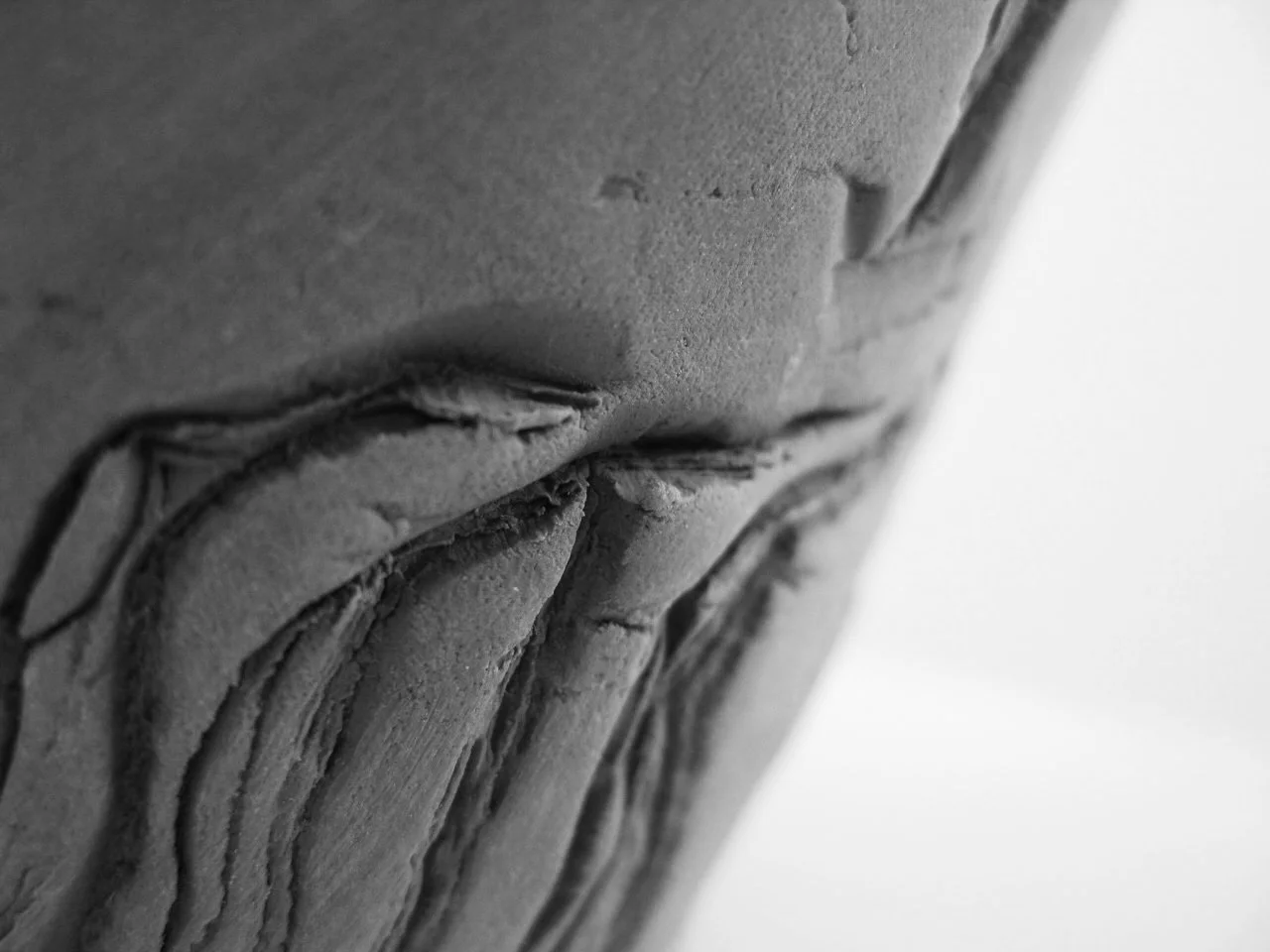
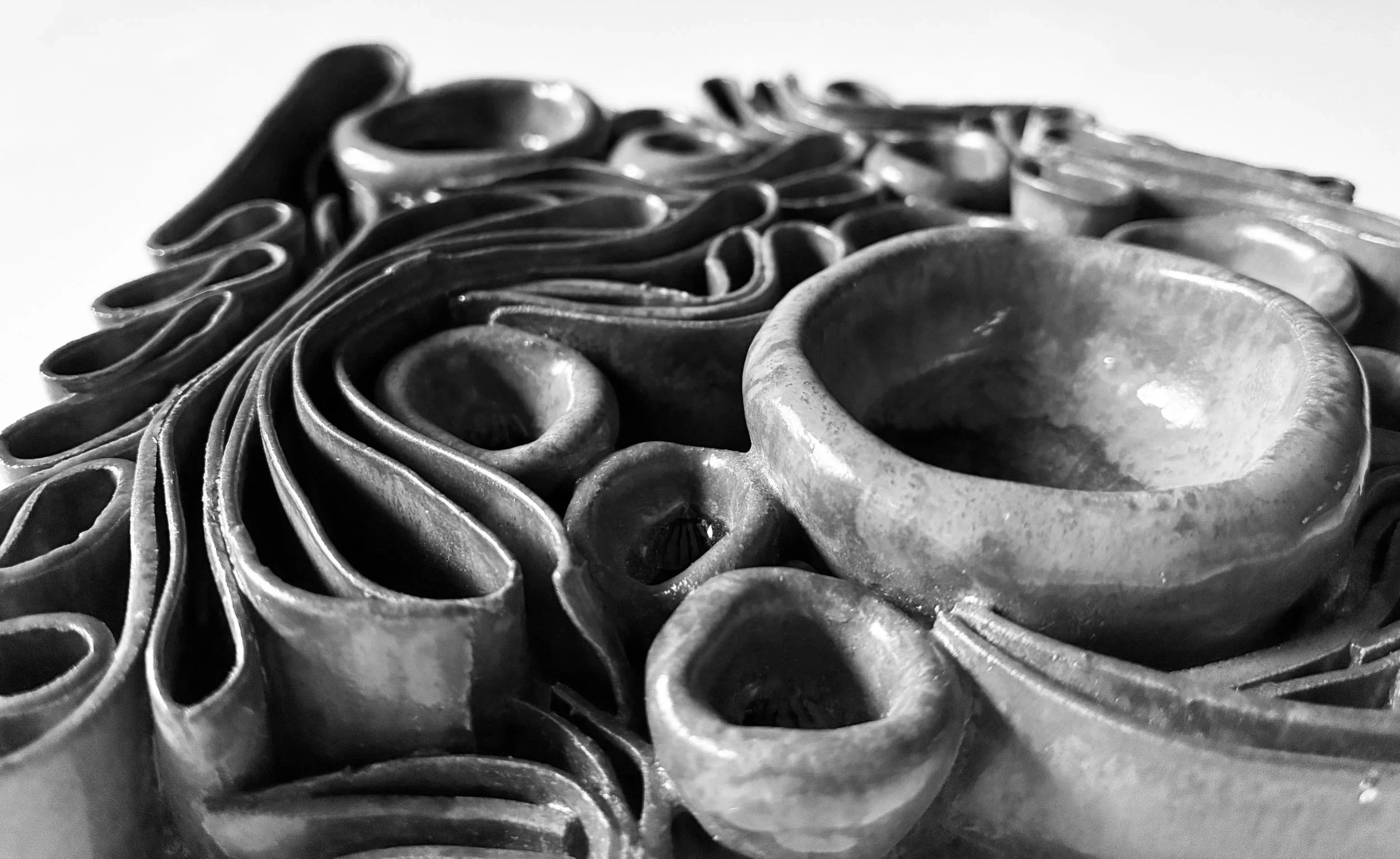
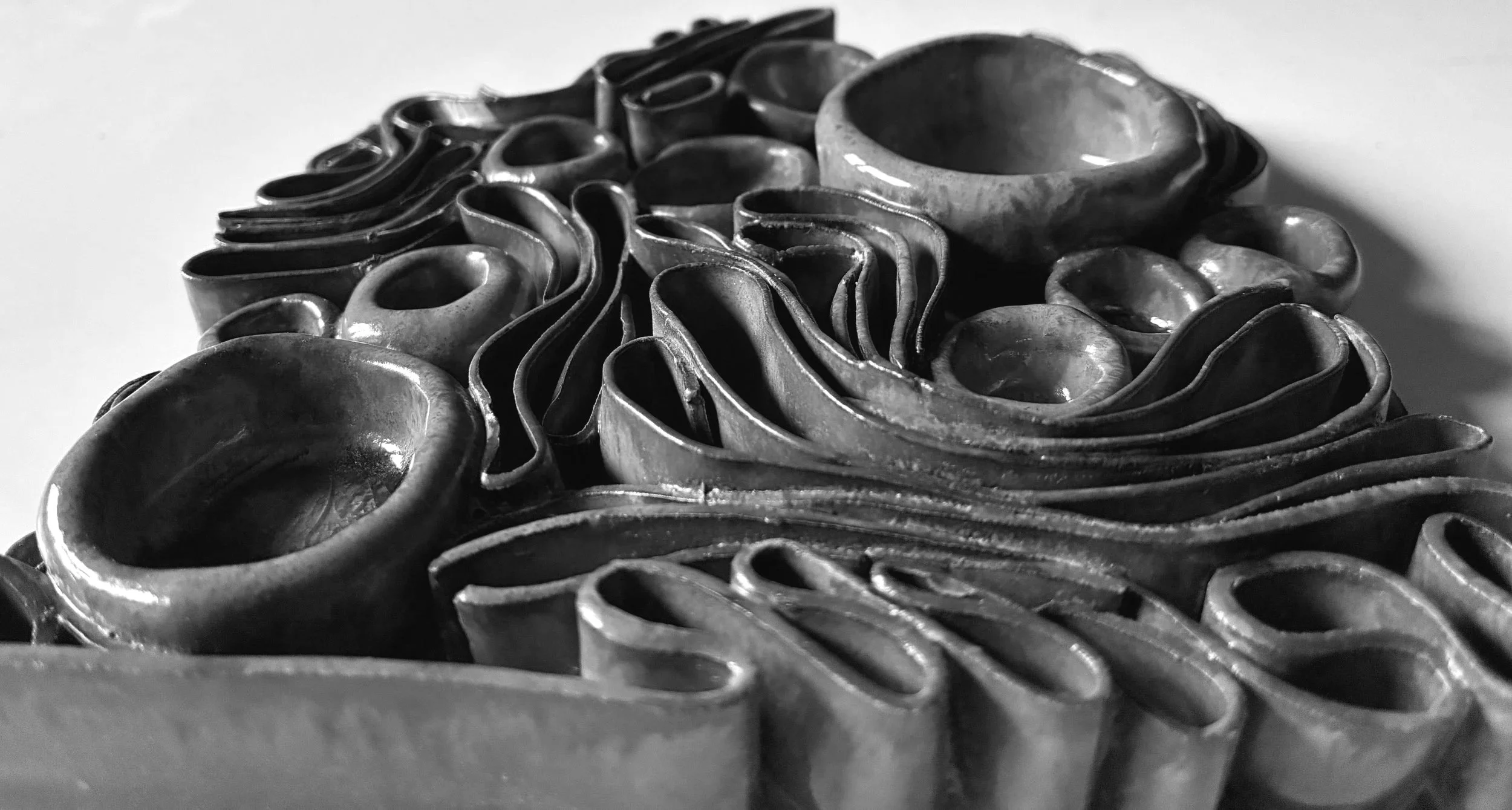
Ceramic Test Tiles - Ceramics as a Landscape.
Get in touch
I am available for public art commissions, community projects and workshops, and I am particularly interested in work in the South West.
Emma May Riley · North Devon · emmamayriley@gmail.com · 07599 409 668